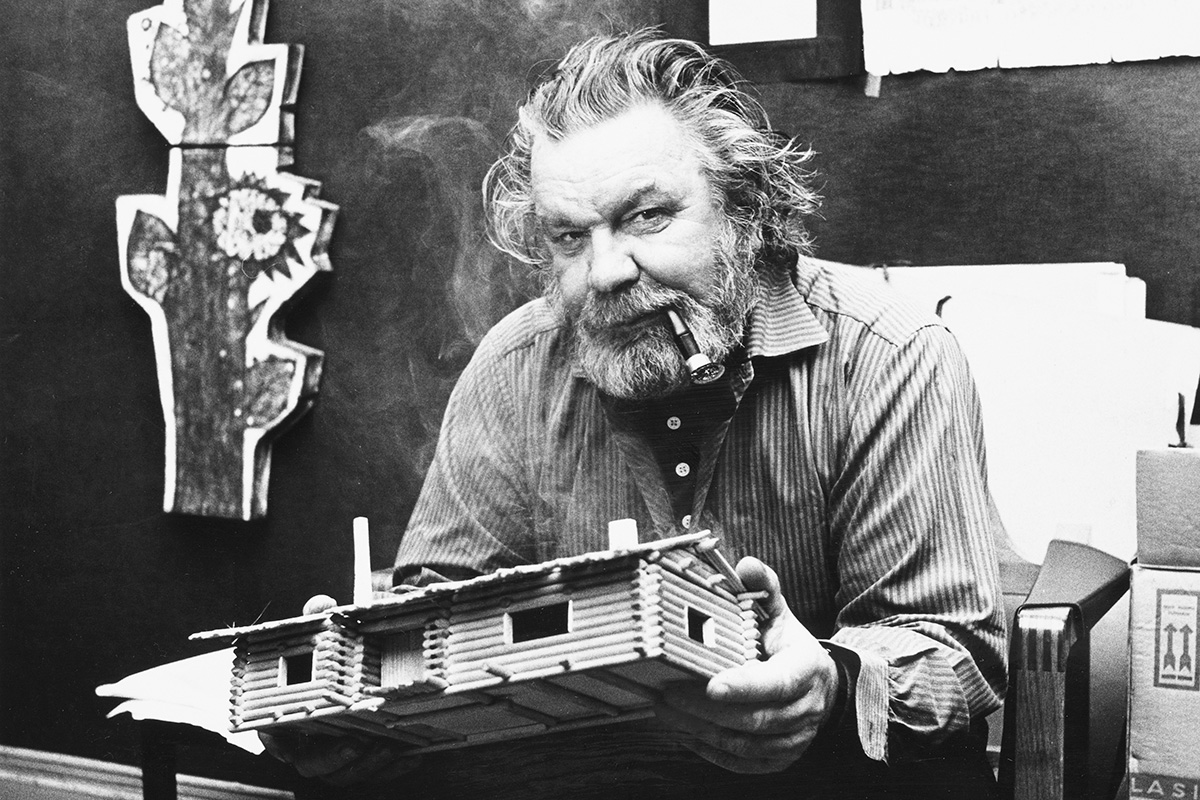

Tapio Wirkkala (1915–1985) is undoubtedly a key figure in Finnish design and a symbol of the international success of post-war design. His versatility as a designer and artist is evident in his ability to work with a wide range of materials, from the most traditional, such as wood and glass, to the most innovative, without ever feeling constrained by a single discipline. His career is characterized by an eclectic approach that encompasses industrial design, applied art, and sculpture.
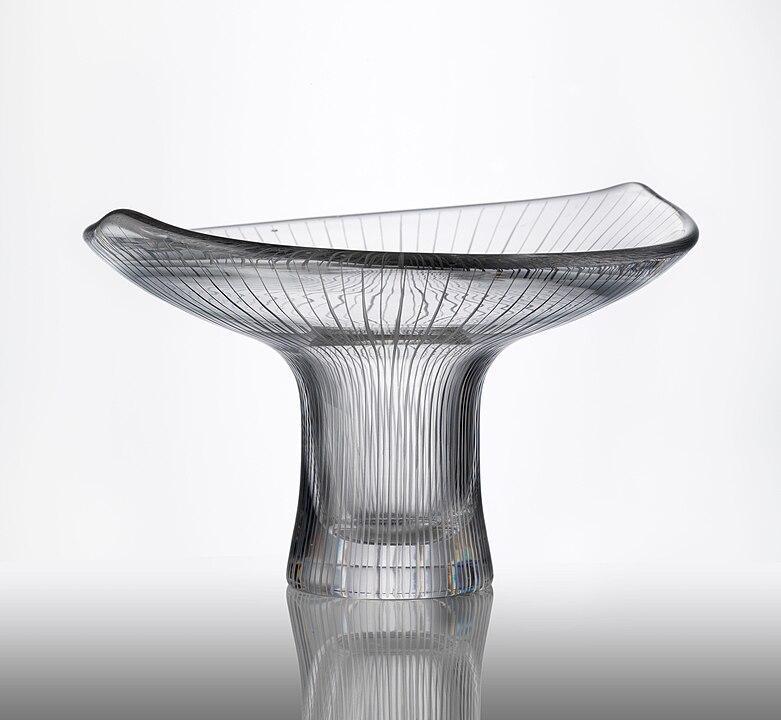
Wirkkala’s international recognition culminated in 1951 at the Milan Triennale, where he won three Grand Prix awards, an achievement that not only highlighted his talent but also the quality of Finnish design on a global level. The Kantarelli vase, created for Iittala in 1946, is emblematic of his style: a perfect balance between functionality and aesthetic beauty.
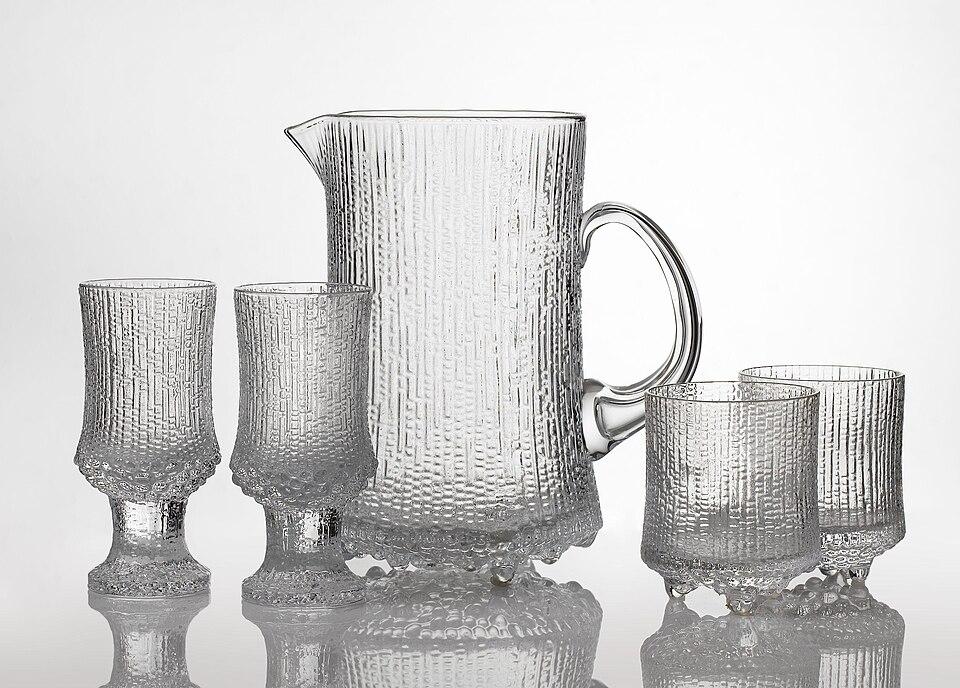
The Ultima Thule glassware line, designed in 1968, demonstrates his ability to collaborate with companies to create objects that tell a story. Commissioned by Finnair, this collection not only became a commercial success, but also reflects Wirkkala’s philosophy that simplicity requires great effort and attention to detail.
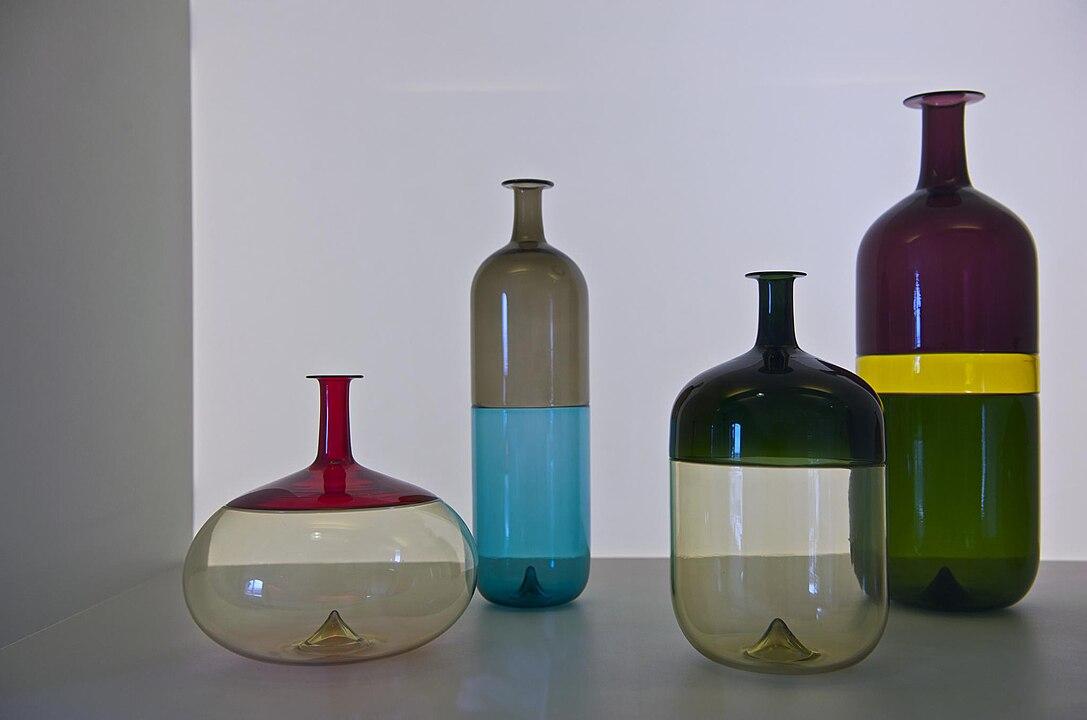
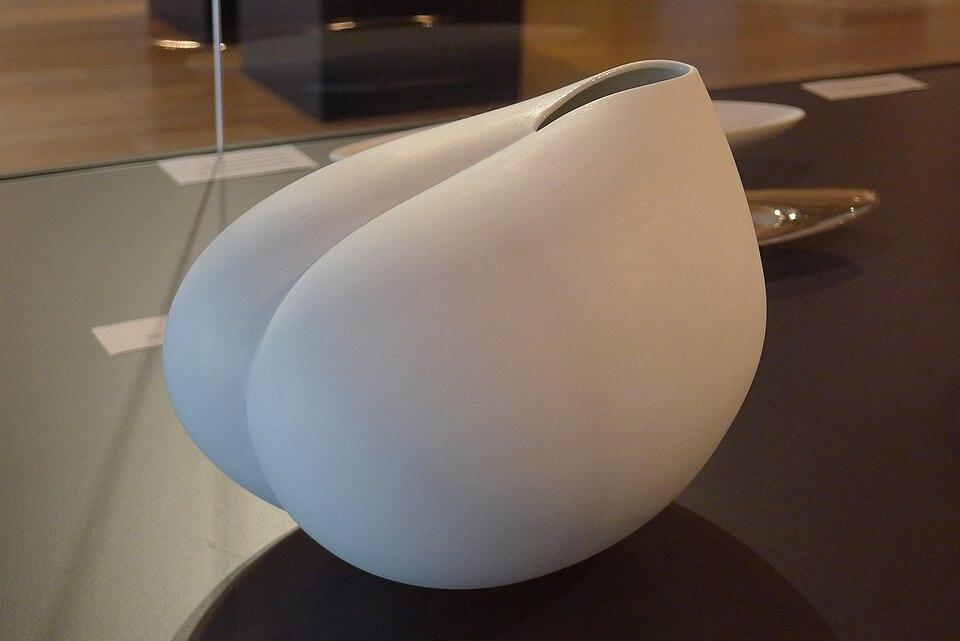
Wirkkala also expanded his reach beyond Finland, collaborating with prestigious companies such as Venini and Rosenthal. His glass creations, such as the Bolle bottles for the Venice Biennale and the Paperbag vase for Rosenthal, have become iconic and are still appreciated for their innovative design and craftsmanship.
In addition to designing objects and furniture, Wirkkala also left his mark in the field of sculpture. His artistic evolution has led him to develop innovative techniques that combine form and movement, creating unique works in lightweight plywood. These sculptures represent a significant shift in Finnish sculptural art, shifting the focus from monumentality to a more abstract and contemporary expression.
Wirkkala’s works have been exhibited and displayed in many important collections around the world, including the National Museum of Modern Art in Tokyo; MoMA and the Metropolitan Museum of Art, both in New York; the Victoria & Albert Museum in London; the Bayerisches Nationalmuseum in Munich, the Nationalmuseum in Stockholm, the Royal Museum in Edinburgh; and the Corning Museum of Glass in Corning, New York.
In summary, Tapio Wirkkala is a leading figure in Finnish design and art, whose legacy continues to influence and inspire designers and artists around the world. His ability to blend aesthetics and functionality, together with his continuous search for innovation in materials and forms, has made him a timeless master in the world of design.
Wirkkala died in Helsinki in 1985.
We recommend the following readings for further information:
– Commercial catalog of the Idman Helsinki company. Lamps designed by Tapio Wirkkala (early 1960s) Paperback Editorial.
-“Tapio Wirkkala alla Venini” published in 2021 by Skira.
If you are also passionate about design, visit our page with lots of items available 👉 DESIGN ON SALE